What Is a Food Stylist? A Practical Guide for Restaurant Teams
What is a food stylist beyond social media myths? Learn the role, when it pays off for restaurants, and what teams can do in-house between professional shoots.
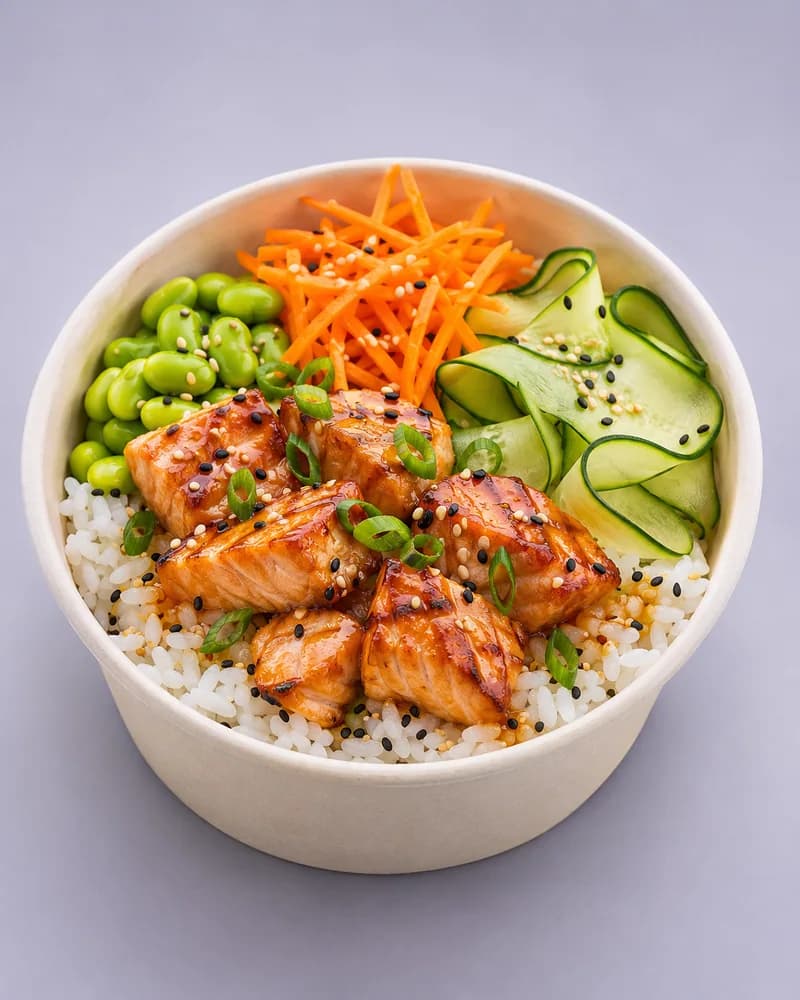
A food stylist makes real food look accurate and intentional on camera. Restaurants can hire one for campaigns or borrow the discipline for daily menu and social photos.
People search what is a food stylist when a campaign looks effortless and their own Tuesday lunch photo does not. The role is often misunderstood: stylists are not there to trick guests with fake food, and they are not the same as an editor who replaces ingredients later. On professional sets they bridge the kitchen and the camera so the frame is appetizing, accurate, and reproducible enough that marketing does not promise a different plate.
This article explains the job in plain language for restaurant owners, culinary directors, and marketing leads deciding whether to hire help—or build a lighter in-house process.
What is a food stylist?
A food stylist shapes how food reads on camera. That includes:
- Plating choices that survive lenses (height, negative space, garnish placement).
- Surface and prop selection (boards, linens, tableware the brand actually uses).
- Timing so sauce sheen, steam, ice, and crust texture peak when the shutter fires.
- Communication with the kitchen so the styled plate still reflects standard service.
Stylists work with photographers, art directors, and sometimes clients from the brand. On restaurant shoots they often stand beside the chef to translate a signature dish into a photograph without changing what the guest is meant to receive.
Food stylist versus food photographer
| Role | Primary focus |
|---|---|
| Food stylist | Plate, props, timing, accuracy to brief |
| Food photographer | Light, exposure, lens, composition |
| Photo editor | Retouch, crop, color balance after capture |
On large productions each role is separate. In many independent restaurants one person with a phone does all three poorly because no one owns the styling decisions. Clarity about who chooses the plate, the light, and the crop prevents weak mixed results.
When restaurants hire a food stylist
Hiring makes sense when stakes and volume justify craft:
- Rebrands needing a consistent visual language across menus, ads, and signage.
- Franchise or multi-location rollouts requiring repeatable shot standards.
- National campaigns where legal and brand teams review every frame.
- Packaging or retail where the package must match regulated claims.
Hiring is harder to justify for:
- Weekly specials that change before photos publish.
- Single-location cafés updating a case daily.
- Delivery-only tweaks that need bright product clarity more than drama.
For day-to-day menu and social work, teams usually need styling discipline, not a resident stylist.
What stylists will not fix
Even the best food stylist cannot save:
- A dish the kitchen cannot plate consistently.
- Lighting that changes between capture and service.
- Claims in copy that the food cannot support.
- A menu photo that shows portions or toppings the ticket never includes.
Styling amplifies honesty; it does not replace operations.
In-house styling habits that borrow from pros
You can apply food-stylist thinking without a call sheet:
- One hero surface per concept (wood for rustic, stone for premium, white for delivery).
- Single-item frames for menus and apps; wider scenes only for brand posts.
- Shoot windows tied to service (pastry before the case empties, pizza within minutes of bake).
- A short banned list (garnish not on the ticket, props guests never see).
- Written shot list so marketing and the pass agree on three priorities, not thirty.
Those habits reduce the gap between “what is a food stylist on a shoot” and what your team does before Saturday brunch.
How AI tools relate to food styling
AI image tools are not food stylists. They do not stand on set and they do not understand your line on a busy night. They can, however, help after you photograph the real dish—cleaning a busy background, balancing light, or exporting another social ratio.
The useful boundary: start from a truthful plate, then improve presentation. FoodPostStudio is built around that boundary for restaurants editing their own photos between professional shoots.
For menu surfaces specifically, teams often pair in-house styling habits with the menu photo editor so a single honest capture becomes print-ready, delivery-ready, and social-ready exports.
Building a hybrid workflow
A practical model for growing restaurants:
| Frequency | Approach |
|---|---|
| Quarterly | Styled shoot for heroes and brand library |
| Weekly | In-house photos with styling rules above |
| Daily | Case items and stories from real product |
| After capture | AI polish for light, crop, and captions—not new ingredients |
Search interest in what is a food stylist spikes because teams want the polish of a campaign with the speed of service photography. The hybrid workflow delivers most of that without putting a stylist on payroll.
Measuring whether styling help is worth it
Before hiring for the next campaign, define success:
- Does the image still match the standard ticket six weeks later?
- Can locations reproduce the plate without a special prep?
- Did menu or delivery conversion move—not just likes?
If only engagement rises while orders stall, the problem may be messaging or the dish—not styling alone.
Next steps for restaurant teams
If you are deciding between hiring a stylist and upgrading in-house capture:
- Audit your top ten ordered items for current photo coverage.
- Fix light and single-item heroes before buying new props.
- Reserve professional styling for rebrands and evergreen heroes.
- Use editing tools to multiply formats from captures you already own.
When menu and delivery are the priority, finish weekly heroes in the menu photo editor so styling discipline turns into assets guests see at order time—not only on the Instagram feed.
Frequently asked questions
What is a food stylist in simple terms?+
A food stylist prepares and adjusts food so it photographs clearly and honestly—choosing surfaces, portion cues, garnish placement, and timing so the image matches what the kitchen can reproduce.
Do restaurants need a full-time food stylist?+
Most independent restaurants do not. They hire stylists for campaigns or learn basic styling rules for weekly menu and social photos captured in-house.
What is the difference between a food stylist and a food photographer?+
The stylist shapes the plate and scene; the photographer controls light, lens, and composition. On small shoots one person may do both, but the jobs are different.
Is food styling the same as heavy Photoshop editing?+
No. Professional styling still starts from real food. Digital editing may clean backgrounds or balance color, but it should not invent ingredients guests will not receive.
When should a restaurant hire a food stylist?+
Consider a stylist for a major rebrand, franchise guidelines, a national ad, or a cookbook-style shoot—not for every Tuesday lunch special.
Improve presentation, lighting, and crops from photos your team already takes during service.